

How enrollment works
Get in touch
Call +1 609-606-0009 or email info@lilscholarsacademy. com. Tell us your child's age and the days you need. A staff member will respond with information about availability and next steps. This helps us prepare for your child's arrival and ensures a smooth start.
Tour the room
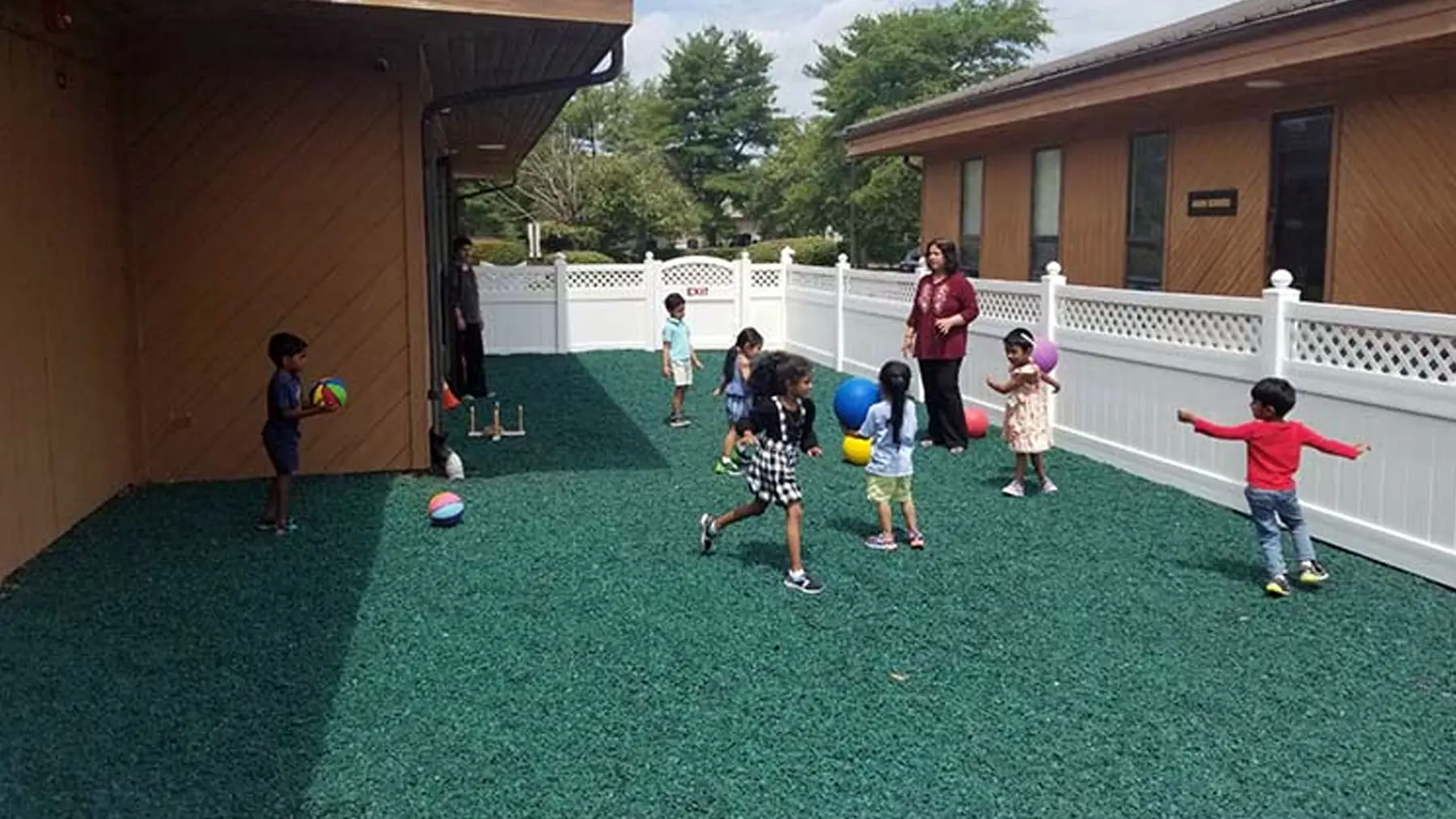
See the classroom your child would join and meet the teachers who run it. You will be shown how the space is used for learning and play. This is a chance to ask questions about the daily routine.
Enroll and settle in
Complete enrollment and plan a first week that suits your child's routine. This allows the center to prepare for your child’s needs and helps your child adjust to the new environment. A staff member will guide you through the process and answer any questions you may have.
What to have ready
Families usually have enrollment forms, a health form, and immunization records ready. Emergency contacts and authorized pickups should also be provided. These documents help the center support your child’s well-being and ensure a safe environment for all children.
Pack changes of clothes, outdoor gear for the season, nap items, and a comfort object. All items should be clearly labeled with your child’s name. This helps the center manage belongings and ensures your child feels secure and prepared for the day.
Before the first day, sort out the drop-off routine, who will pick up your child, and how you want to hear about the day. This helps the center and your family work together smoothly. It also helps your child feel more comfortable in the new setting.
The first weeks
The first days are usually shorter to help the child adjust. A familiar object from home is encouraged, and the teacher will greet the child by name to create a sense of comfort.
At pickup, teachers usually share what your child did and how they are feeling. Most children settle in within a few days, depending on their comfort level and routine. Teachers will keep you informed and help ease any concerns you may have.
from 1.5 years old to grade 1
Hoursnot specified
What families ask
What about tuition?
Ask about current rates when you call or tour. They depend on your child's age and schedule.
What ages do you take?
Children from from 1.5 years old to grade 1.
Can we visit before deciding?
A tour is how families decide if the center is right for their child. During the visit, children can explore the space and see what the center provides.
What should my child bring on the first day?
Families usually bring a change of clothes, a comfort item, and labelled items for the day. These help your child feel prepared and secure in the new environment.
How do you handle the first weeks?
Settling in usually starts with shorter days to help your child adjust. Bringing a familiar object can ease the transition. Teachers will share what your child did and how they are feeling at pickup.
What does a typical day include?
A day is built around arrival, play and learning, meals and rest, and outdoor time. Activities are structured to support learning and development. Pickup is the final part of the day, followed by a transition home.
How will I know how my child is doing?
Parents usually hear about the day at pickup and when they ask. Teachers share updates and observations during these times. Specifics are provided based on what is relevant and available.
Do you offer part-time or flexible schedules?
Schedules depend on the age group and openings. Families should ask what is available for their child’s age. This helps ensure the schedule fits both the child’s needs and the center’s availability.
What if there is no place right now?
Families can ask to be told when a place opens for their child's age. No promises or dates are given, but the center will notify families when a spot becomes available.
What should I ask on the tour?
The questions worth asking include hours, meals, pickups, how the first weeks are handled, and how the day runs. These help families understand the center’s operations and support their child’s needs. It is also helpful to ask about communication and policies.